
Feral Children: Why Kids Need Freedom to Roam
Discover why feral children thrive when given freedom. Explore island life, childhood independence, and the debate on modern parenting in this insightful analys...
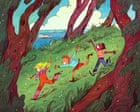
Feral Children and the Freedom to Explore
Feral children represent a growing conversation about childhood autonomy in modern society. Adults frequently demand that children occupy more meaningful space in the world, yet simultaneously expect them to remain silent and confined. This paradox defines contemporary parenting debates, particularly in communities where children experience genuine independence and outdoor exploration.
The concept of feral children challenges conventional wisdom about supervision and safety. These young people, often found in rural or island communities, develop resilience and self-reliance through unsupervised outdoor activity. Rather than representing negligent parenting, feral children exemplify a different approach to raising capable, confident individuals who understand natural boundaries and develop problem-solving skills.
Island Life and Childhood Rites of Passage
On Peaks Island, a remote Maine location approximately three miles off Portland's coast, childhood follows a distinctly different trajectory than mainland communities. This small island, accessible exclusively by ferry, has fundamentally shaped how local children experience growing up and transition into adolescence.
Peaks Island supports an elementary school serving younger students, yet lacks middle and high school facilities. This geographic reality creates a definitive marker in local childhood experience. When island children reach sixth grade, they begin a daily commute via the 7:15 AM ferry to mainland schools. This journey represents far more than simple transportation; it embodies a genuine rite of passage that teaches independence, responsibility, and adaptability.
The Commute as Coming of Age
The ferry journey itself becomes transformative for island youth. Young passengers must navigate weather conditions, manage time effectively, and develop interpersonal skills with peers from various backgrounds. This daily ritual instills discipline and independence that suburban children rarely experience during comparable developmental stages.
Feral children who grow up in such environments demonstrate heightened self-sufficiency. They learn to solve problems without immediate adult intervention, make decisions about personal safety, and develop confidence in their capabilities. The ferry commute, while challenging, builds character and resilience that serve these young people throughout their lives.
The Modern Parenting Paradox
Contemporary society presents contradictory expectations regarding feral children and childhood development. Parents and educators express frustration when young people seem disengaged or passive, yet criticize those same children when they demonstrate initiative, make noise, or occupy public space assertively.
This contradiction reflects deeper anxieties about control and safety in increasingly complex communities. Many adults, raised in different eras, struggle to accept childhood autonomy. However, research increasingly supports the benefits of allowing feral children supervised freedom to explore, play, and learn through direct experience rather than constant adult direction.
Community and Collective Responsibility
Island communities like Peaks Island often maintain stronger collective approaches to child-rearing than suburban or urban environments. Neighbors watch out for one another's children; entire communities share responsibility for young people's safety and development. This system enables feral children to roam with genuine freedom while remaining within protective social networks.
The village-raising model, once universal across human societies, has largely disappeared from modern parenting discourse. Yet island communities preserve elements of this approach, allowing feral children to benefit from both independence and community oversight. Children develop autonomy while understanding that their actions affect and involve their broader community.
Educational and Developmental Benefits
Feral children who experience genuine outdoor freedom develop cognitive and social skills that structured programs cannot replicate. Unstructured play builds creativity, improves physical fitness, and enhances emotional regulation. The freedom to roam allows children to take appropriate risks, experience natural consequences, and develop genuine confidence rather than artificial self-esteem.
Island youth, particularly feral children navigating daily ferry commutes and island life, develop practical life skills early. They learn time management, weather awareness, independent decision-making, and resilience. These capabilities prepare them for adult responsibilities far more effectively than sheltered childhood experiences.
Reconsidering Modern Safety Culture
Concerns about feral children often center on safety, yet statistically, children in supervised, community-based environments typically experience fewer serious injuries than highly supervised urban youth. Controlled freedom teaches children to assess risk appropriately and make reasoned decisions.
The culture of constant surveillance and structured activity may ultimately undermine childhood development. Feral children, given appropriate freedom within community contexts, develop genuine competence and learn to navigate challenges independently. This approach produces more capable, confident adults than excessive parental intervention.
Conclusion: Embracing Childhood Autonomy
The debate surrounding feral children reflects fundamental questions about how communities should raise young people. Island communities like Peaks Island demonstrate that childhood autonomy, when supported by strong community networks, produces confident, capable individuals. Rather than viewing feral children as concerning, society might recognize them as examples of healthier childhood development. By allowing children meaningful freedom to explore, play, and occasionally fail, adults create space for genuine maturation and character development that benefits both individuals and communities.